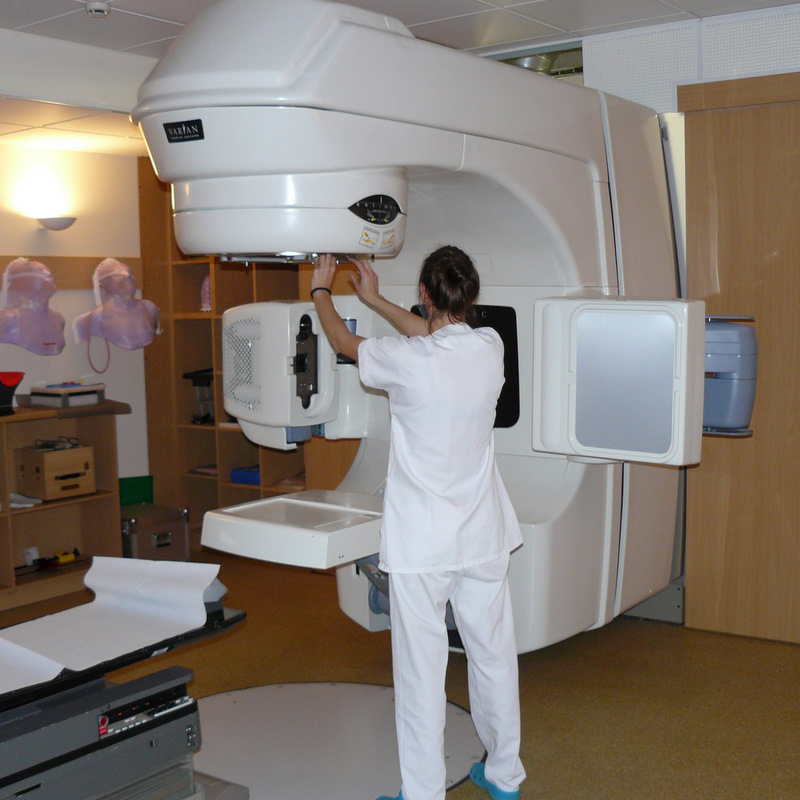
Image: Guy Lebègue · CC BY-SA 3.0
How radiotherapy damages cancer cells, why treatment is carefully planned and image guided, and why dose and number of visits differ between patients.
7 September 2026
9 min read
Image: Smorgasbord (resized) · CC BY-SA 3.0
How to understand relative risk reductions, absolute benefit and the starting risk when discussing cancer treatment.
18 October 2026
4 min read
Image: NIAID (resized) · CC BY 2.0
How HPV, hepatitis viruses and H. pylori can contribute to particular cancers, without making cancer itself an ordinary contagious illness.
18 October 2026
3 min read
Image: Dennis Ludlow / Sharkshock (resized) · CC BY-SA 4.0
What early-onset cancer trends mean, why relative increases need context and why unexplained symptoms deserve attention at any age.
18 October 2026
3 min read
Image: Rhoda Baer / National Eye Institute (resized) · CC BY 2.0
What multi-cancer detection blood tests look for, why a signal is not a diagnosis and what evidence is needed to understand their benefits and harms.
18 October 2026
3 min read
Image: Bill Branson, National Cancer Institute (resized) · Public domain
How common cancer drug treatments work, why the treatment name does not tell you its aim and why side effects differ.
9 October 2026
3 min read
Image: UKSH, Integrated Communications (resized) · CC BY-SA 3.0 DE
Why radiotherapy effects depend on the area treated, which symptoms may develop and how to report problems without assuming everyone has the same experience.
9 October 2026
3 min read
Image: Diane A. Reid, National Cancer Institute (resized) · Public domain
What a clinical trial can offer, what remains uncertain, how eligibility works and which questions to ask before deciding.
9 October 2026
3 min read
How to approach poor appetite, weight loss and eating difficulties during treatment, and when to ask for dietetic or urgent support.
9 October 2026
3 min read
Why consent is a discussion rather than just a signature, what should be explained and what to do if a treatment decision is unclear.
9 October 2026
3 min read
Image: Anastasia Puscian, U.S. Navy (resized) · Public domain
Why some treatment effects persist or appear later, how risks differ between treatments and what to discuss at follow-up.
9 October 2026
3 min read
What these terms say about cancer spread, why nearby lymph nodes differ from distant spread and why extent alone does not decide treatment.
9 October 2026
3 min read
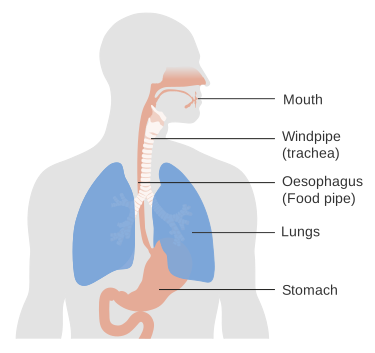
Image: Cancer Research UK / Wikimedia Commons · CC BY-SA 4.0
An introduction to cancer of the food pipe, the information used to plan treatment and why swallowing and nutrition need attention.
9 October 2026
3 min read
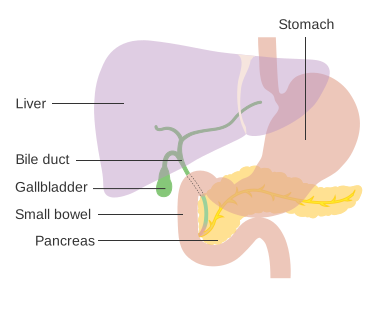
Image: Cancer Research UK / Wikimedia Commons · CC BY-SA 4.0
Why cancer starting in the liver differs from cancer spreading there, and how tumour type, extent and liver function shape the treatment discussion.
9 October 2026
3 min read
Image: Ed Uthman (resized) · CC BY-SA 2.0
What a second opinion can clarify, how to request one in the UK and why treatment timing and transfer of records need discussion.
9 October 2026
3 min read
A plain-language guide to cancer type, grade, margins, lymph nodes and biomarkers, and why a pathology report needs clinical interpretation.
9 October 2026
3 min read
Image: Diane A. Reid, National Cancer Institute (resized) · Public domain
Why more tests may be needed after diagnosis, how a treatment plan is discussed and what to ask at the next appointment.
9 October 2026
3 min read
Image: Mikael Häggström, M.D. (resized) · CC0 1.0
How a tissue sample helps identify cancer, why scans may not answer the same question and what to check before and after a biopsy.
9 October 2026
3 min read
UK guidance on urgent treatment-related symptoms, using your oncology advice line and recognising situations that need 999 rather than a routine appointment.
9 October 2026
4 min read
Image: Fumikas Sagisavas (resized) · CC0 1.0
Why blood results, side effects and other changes can alter a treatment schedule, and what to ask when a planned appointment changes.
9 October 2026
3 min read
How cancer-related fatigue differs from ordinary tiredness, what may contribute to it and practical questions to discuss with your clinical team.
6 October 2026
7 min read
Image: Pamela Adam · CC BY 2.0
Why finishing cancer treatment may not feel like an immediate return to normal, and when physical or emotional effects deserve further support.
6 October 2026
6 min read
Image: Robert Couse-Baker · CC BY 2.0
Questions to consider before travelling during cancer treatment, including timing, infection, blood clots, medicines, insurance and when to ask your team.
6 October 2026
7 min read
What doctors mean when cancer recurs, the difference between local, regional and distant recurrence, and why recurrence is not the same as a new primary cancer.
6 October 2026
7 min read
Image: CuriosityScribe · CC BY-SA 4.0
What to expect after a course of radiotherapy, why some side effects peak later, how follow-up works and when to contact the treatment team.
6 October 2026
7 min read
Image: Cancer Research UK · CC BY-SA 4.0
An introduction to neuroendocrine tumours, where they arise, how NETs differ from neuroendocrine carcinomas and why the primary site and grade matter.
6 October 2026
7 min read
Image: Nick Beel · CC BY 3.0
How a short walk or other manageable outdoor activity may help you stay active during cancer treatment, with practical safety considerations.
24 September 2026
5 min read
Image: Ziskachilds · CC BY-SA 3.0
How international cancer conferences help specialists share research, compare practice and decide which ideas may be useful for patient care.
22 September 2026
5 min read
Image: Zhou et al.; labels by Mikael Häggström · CC BY 4.0
A clear explanation of what cancer stage and grade describe, why the systems vary, and why grade 4 does not automatically mean stage 4.
22 September 2026
7 min read
What common cancer response terms mean, how RECIST measurements are used, and why a scan category does not make a treatment decision by itself.
22 September 2026
8 min read
Image: Harrison Keely · CC BY 4.0
Why cancer follow-up differs by cancer type and treatment, when surveillance scans are useful, and why more frequent imaging is not automatically better.
22 September 2026
8 min read
How an MR-Linac combines MRI with radiotherapy, how online adaptation works, and why MR-guided treatment is useful only in selected situations.
22 September 2026
8 min read
How differentiation, grade, Ki-67 and stage describe different features of a neuroendocrine tumour, and why the primary site matters.
22 September 2026
8 min read
Why no evidence of disease, remission, complete response and cancer-free are related terms but do not all provide the same certainty about cure.
22 September 2026
7 min read
What pancreatic cancer resectability terms broadly mean, why nearby blood vessels matter, and why specialist MDT assessment is essential.
22 September 2026
8 min read
What a cancer prognosis can and cannot tell you, how population statistics differ from an individual outcome, and why estimates may change.
22 September 2026
7 min read
How a UK cancer multidisciplinary team reviews results, who may take part, and what happens before a treatment decision is agreed with the patient.
22 September 2026
7 min read
How doctors recognise that cancer treatment is no longer helping, what other options may be considered, and why care continues even when treatment changes.
22 September 2026
8 min read
How stereotactic ablative radiotherapy delivers a precise course in fewer treatments, when it may be considered, and why it is not suitable for everyone.
22 September 2026
8 min read
Why expected benefit, side effects, performance status, previous treatment and personal priorities may lead to no anti-cancer treatment being advised.
22 September 2026
8 min read
What ECOG or WHO performance status means, how the 0–4 scale describes daily function, and why it is only one part of a cancer treatment decision.
22 September 2026
7 min read
How to offer support when someone has cancer, listen without pressure, and leave room for ordinary life as well as difficult conversations.
21 September 2026
3 min read
Why some cancers can already be cured, why others remain difficult to treat, and what cure, remission and cancer control mean for an individual.
21 September 2026
4 min read
How radiotherapy teams assess tumour movement and use imaging, breath-hold, gating, tracking or treatment margins to target it accurately.
9 September 2026
9 min read
Why cancer can develop in people who have looked after their health, and why risk factors change probability rather than determine an individual outcome.
9 September 2026
8 min read
How physical activity may fit around cancer treatment, when exercise needs adapting, and which warning signs to discuss with your team.
7 September 2026
8 min read
Image: Liz West · CC BY 2.0
How symptoms, examinations, blood tests and scans are combined to assess whether a cancer treatment is helping.
7 September 2026
8 min read
Image: Ptrump16 · CC BY-SA 4.0
Why anxiety around cancer scans is common, what may help while waiting, and when to ask your clinical team for support.
7 September 2026
7 min read
Practical ways to live with uncertainty between cancer scans without allowing every day to become a countdown to the next result.
7 September 2026
7 min read
How palliative anti-cancer treatment differs from supportive care, specialist palliative care and end-of-life care.
7 September 2026
8 min read
What doctors mean by stable disease on a cancer scan, and why stable can still be a meaningful treatment result.
7 September 2026
6 min read
Image: YuddiW · CC BY-SA 4.0
What to expect from radiotherapy consent, the planning CT, positioning and the clinical and technical checks before the first treatment.
7 September 2026
9 min read
Why cancer scans are scheduled at particular intervals, and how doctors balance useful information against the limits of scanning.
7 September 2026
7 min read
How cancer type, stage, grade, biomarkers, previous treatment, health, treatment aim and patient priorities shape an individual plan.
7 September 2026
9 min read