Which type, and where?
Common types include adenocarcinoma and squamous cell carcinoma. The type is identified by examining tissue. They can differ in biology and treatment considerations.
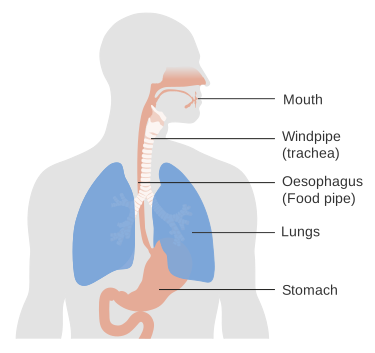
A tumour near the point where the oesophagus joins the stomach may be described as a gastro-oesophageal junction tumour. Ask which description applies to your diagnosis; it can influence how the team discusses the plan.
Why are several tests needed?
An endoscopy allows the team to examine the food pipe and take samples. Other tests may assess the cancer's extent and whether it has spread. The exact investigations vary.
Stage and grade explain different features of the disease. Tests may also assess whether a proposed treatment can be given safely. Not every person needs the same set of investigations.
A specialist MDT considers these findings before a recommendation is discussed with you.
What treatments might be discussed?
Depending on the situation, treatment may involve surgery, chemotherapy, radiotherapy or a combination. Drug treatments such as immunotherapy or targeted therapy may be relevant in particular circumstances.
Some plans aim to cure the cancer. Others aim to control it or relieve symptoms. Treatment before or after an operation can have a different purpose from treatment given instead of an operation.
Surgery is not the only meaningful treatment, and it is not suitable for everyone. Ask why the proposed approach fits your diagnosis and treatment aim.
Swallowing and nutrition are part of care
Difficulty swallowing, reduced intake and weight loss need attention alongside the cancer treatment. Dietetic support and symptom management may be required.
There are different ways to help swallowing in selected situations. The choice depends on the cause of the problem and the wider treatment plan; it should not be decided from a general article.
Contact your specialist team promptly about progressively worsening swallowing or falling intake; do not wait for the next routine appointment.
If you cannot swallow liquids or your own saliva, seek emergency assessment now. Contact the team immediately for its hospital instructions, or go to A&E if you cannot reach them without delay. Do not force food or drink down to clear a blockage. Call 999 for severe choking, difficulty breathing, collapse, or if you need an ambulance to reach care safely.
Eating during treatment provides a general starting point, not a substitute for assessment.
Clarify the sequence
Ask what the first treatment is intended to achieve, whether other treatment is expected afterwards, how nutrition will be supported and when the plan will be reviewed. Keep the contact details for symptoms between appointments.