Patient reading room
Start where
you are.
You do not need to know which topic to look for. Begin with the questions you have now.
These are ways into the information, not stages everyone goes through. Use any route, switch whenever you like, or browse the whole library.
I've just been diagnosed
First steps after a diagnosis.
Start with the next steps after diagnosis, then explore samples, reports and the terms used to describe the cancer. Read only what is useful to you now.


One place to begin
What happens after a cancer diagnosis?
Why more tests may be needed after diagnosis, how a treatment plan is discussed and what to ask at the next appointment.
Read the explanation3 min readFollow your next question
- What is a biopsy, and why might I need one?3 min read
- What does a cancer pathology report tell us?3 min read
- Cancer stage and grade: what is the difference?7 min read
- Localised, locally advanced and metastatic cancer: what is the difference?3 min read
- What does prognosis mean in cancer, and why is it uncertain?7 min read
I have questions about scans
A scan result, in context.
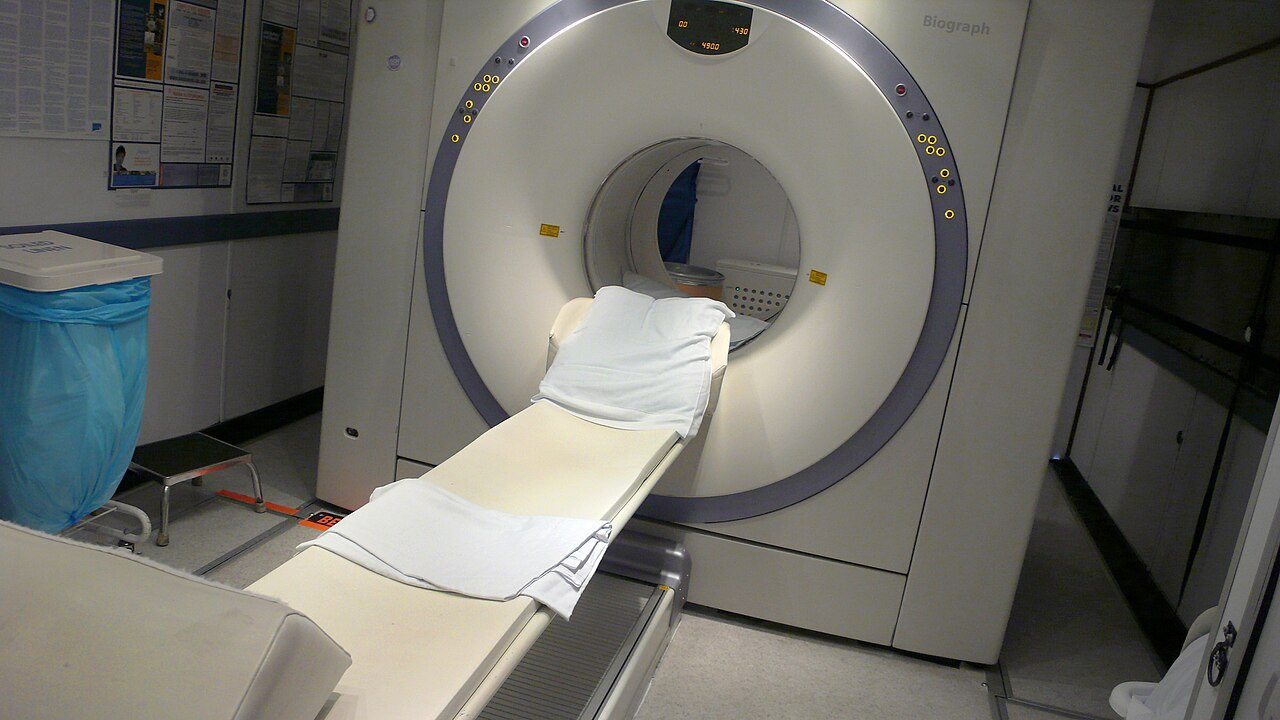
Start with how treatment is assessed, or go straight to an explanation of the words in a report. The articles cannot interpret an individual scan.

One place to begin
How do doctors know if cancer treatment is working?
How symptoms, examinations, blood tests and scans are combined to assess whether a cancer treatment is helping.
Read the explanation8 min readI'm considering treatment
Understand the thinking behind a plan.
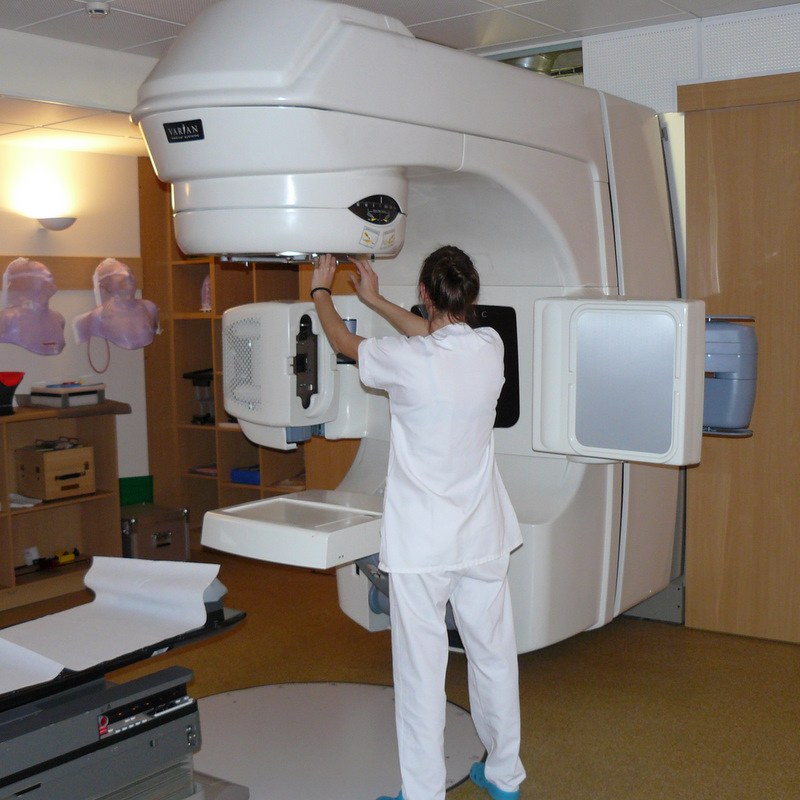
Read about why plans differ, the main types of cancer drugs, consent and further opinions. Specialist articles sit within the diagnosis and treatment topic guide.

One place to begin
Why can two people with the same cancer have different treatment?
How cancer type, stage, grade, biomarkers, previous treatment, health, treatment aim and patient priorities shape an individual plan.
Read the explanation9 min readFollow your next question
- Chemotherapy, immunotherapy and targeted therapy: how do they differ?3 min read
- What does informed consent mean in cancer treatment?3 min read
- Should I ask for a second opinion about cancer treatment?3 min read
- Should I consider a cancer clinical trial?3 min read
- What happens before radiotherapy starts?9 min read
I'm receiving treatment
Treatment, symptoms and everyday life.
Start with knowing when to contact the team. Then choose practical explanations about treatment changes, side effects, food, fatigue and activity.

One place to begin
When should I contact my cancer team urgently?
UK guidance on urgent treatment-related symptoms, using your oncology advice line and recognising situations that need 999 rather than a routine appointment.
Read the explanation4 min readFollow your next question
- Why might cancer treatment be delayed, paused or adjusted?3 min read
- What are the common side effects of radiotherapy?3 min read
- Eating during cancer treatment: what if appetite or weight changes?3 min read
- Cancer-related fatigue: why rest may not be enough7 min read
- Can I exercise during cancer treatment?8 min read
My treatment has finished
Information for what comes next.
Read about follow-up, the language used after treatment and the experience of still feeling like a patient. This is a starting point, not a fixed recovery pathway.

One place to begin
Follow-up after cancer treatment: why appointments and scans vary
Why cancer follow-up differs by cancer type and treatment, when surveillance scans are useful, and why more frequent imaging is not automatically better.
Read the explanation8 min readFollow your next question
I'm living with uncertainty or ongoing cancer
Questions that do not end with a scan.
Choose from explanations of palliative treatment, changing treatment options and life between scans. You can move between any of these reading routes.

.jpg)
One place to begin
Living between cancer scans: making room for everyday life
Practical ways to live with uncertainty between cancer scans without allowing every day to become a countdown to the next result.
Read the explanation7 min readFollow your next question
General information, written and clinically reviewed by Dr AlHilali. These routes do not assess symptoms or recommend treatment. Your clinical team can help with questions specific to you.
Go straight to the radiotherapy guide