Start with an invitation
You could say: “Would you like to talk about how things are going, or would you prefer a bit of company?”
That gives the person room to choose. Avoid assuming that they want to explain their diagnosis or treatment every time you meet. Their preference may change from one day to the next.
Listen without trying to fix the feeling
Give them time to finish. You can acknowledge that something sounds difficult without offering a solution. A pause does not need filling, and tears do not mean you have failed at the conversation.
Try not to promise that everything will be fine or tell them they must stay positive. These responses can make it harder to speak honestly about fear or uncertainty. Stories about somebody else's cancer may also be unhelpful: their situation may be very different.
Make practical help easy to accept
An offer can be small and specific: “I'm going shopping on Thursday. Would it help if I picked something up for you?”
Other possibilities include a lift to an appointment or help with an everyday task. Ask first, offer only what you can realistically do, and make it easy to decline. If they want you at an appointment, check how involved they would like you to be.
A short message can be enough between visits. Let them know that a reply is optional, especially during a tiring part of treatment. Support can still matter after treatment ends.
Leave room for ordinary life
The person is still your friend, partner, relative or colleague. Cancer does not have to become the subject of every conversation.
Talk about the interests you have always shared if that is what they want. Enjoying an ordinary afternoon does not mean ignoring the seriousness of the diagnosis. It can be part of living well between appointments and scans.
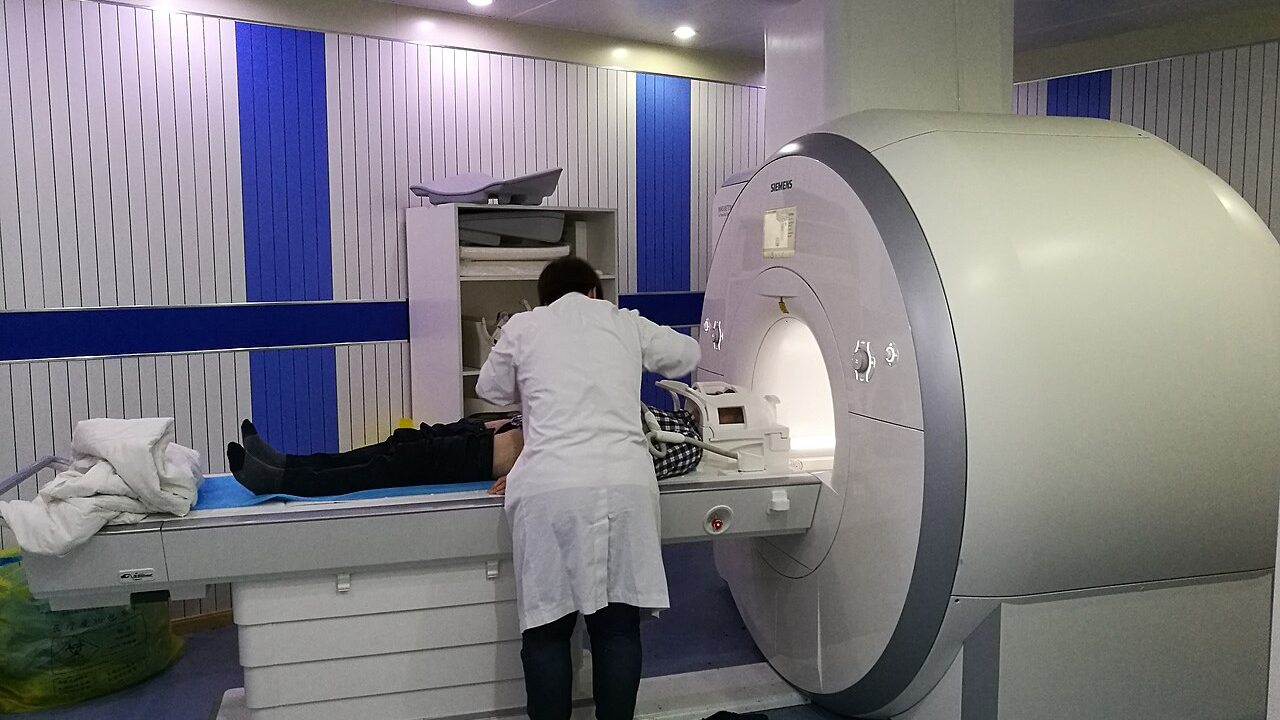
Around a scan, ask whether company would help or whether they would prefer some space. There is more about that uncertainty in coping with scanxiety.
You can need support too
Being close to someone with cancer can be upsetting. You do not have to manage your own feelings alone. A GP, counsellor or cancer support service can help you find somewhere to talk, without expecting the person with cancer to provide all your reassurance.
The aim is to remain available and let the person guide what support feels useful. You can be present without having all the answers.