Why staying active can matter
Research supports appropriately adapted physical activity during cancer treatment. Clinical guidance from the American Society of Clinical Oncology concludes that exercise during active treatment can improve fitness, strength, fatigue and some patient-reported outcomes.
That does not mean exercise removes fatigue immediately, or that everybody will feel better after every walk. Cancer-related fatigue is complex, and treatment can make energy levels unpredictable. The evidence describes average benefits across groups; an individual experience may be different.
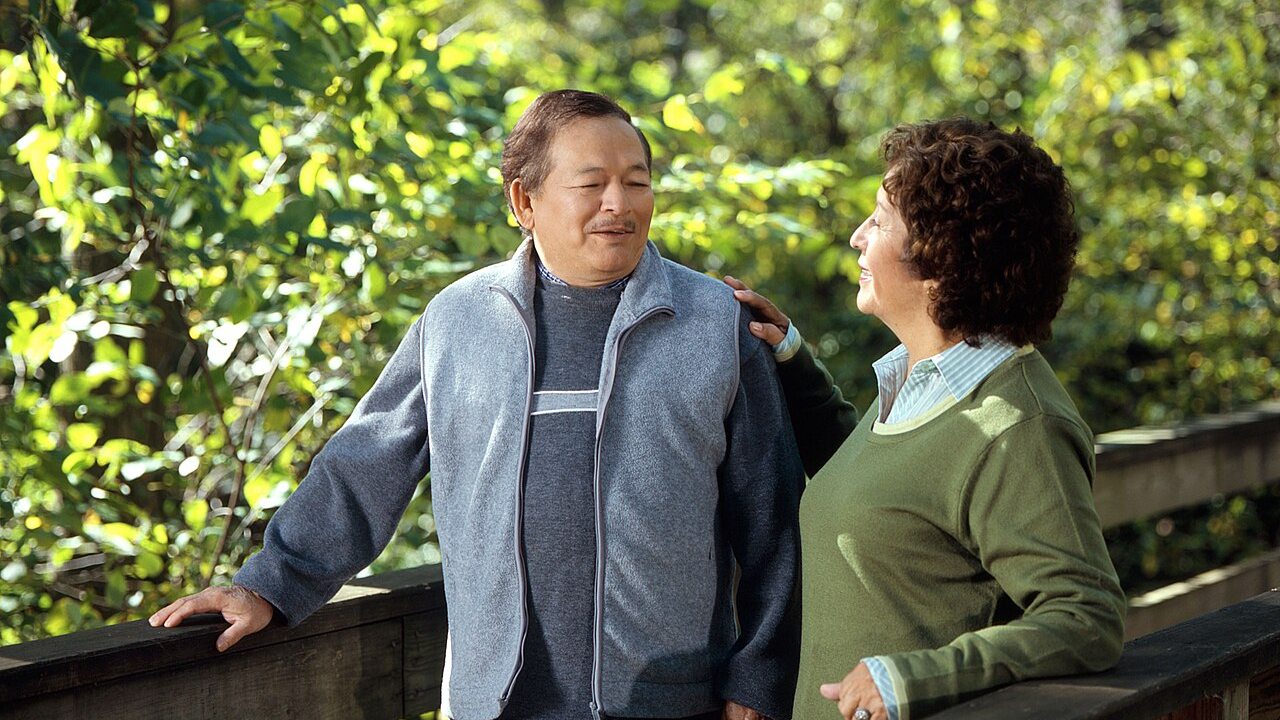
Physical activity is also broader than structured exercise. Walking to the end of the street, sitting outside and standing regularly, or doing a few manageable tasks may all represent useful movement, depending on your starting point.
Why a walk may be a realistic option
Walking requires little equipment and can be adjusted from day to day. A systematic review of randomised trials found that walking programmes were associated with reduced cancer-related fatigue, including during treatment. The studies differed in their participants and programmes, so they do not establish one ideal distance or pace for everyone.
Getting outside may also provide a welcome change of surroundings and a sense of ordinary life. Those experiences can matter, but they should not be confused with treating the cancer itself. There is no basis for claiming that being in nature or taking a walk cures cancer or makes cancer treatment work better.
Start from where you are
If your clinical team has not advised you to limit activity, begin with something that feels manageable. That might mean five minutes near home, a slower route with places to sit, or going with somebody you trust.
It can help to:
- choose a familiar, accessible route;
- take your phone and any medication you may need;
- dress for the weather and protect yourself from strong sun;
- carry water if this fits with your medical advice;
- turn back before you are exhausted;
- allow the plan to change on treatment days or difficult days.
You do not have to meet a target to make the activity worthwhile. A shorter walk is not a failed longer walk.
When to ask before going out
Some cancer treatments and complications require extra care. Ask your team for individual advice if you have:
- a low white blood cell count or have been told to avoid crowded places;
- anaemia, marked breathlessness, dizziness or fainting;
- cancer affecting bone or a risk of fracture;
- weakness, numbness, balance problems or a recent fall;
- recent surgery, a wound, a line, a drain or a stoma;
- severe pain, fever, dehydration or symptoms that are getting worse;
- medicines or treatment that make you unusually sensitive to sunlight.
Your team may recommend changing the route, intensity, timing or type of activity. In some situations, physiotherapy or a cancer rehabilitation service can help you make a safer plan.
Stop if something feels wrong
Stop and seek medical advice if you develop chest pain, fainting, severe or unusual breathlessness, sudden weakness, confusion, or another symptom your team has told you needs urgent assessment.
Fatigue alone does not always mean you should avoid all movement, but a sudden or substantial change deserves attention. It may have a treatable cause, such as anaemia, infection, pain, poor nutrition, disturbed sleep or a treatment effect.
Activity can be flexible
There will be days when going outside is not realistic. Rest is part of treatment and recovery, and staying active is not a test of determination.
On other days, a brief walk may help maintain confidence and physical function. The aim is to find movement that is safe and sustainable for you, rather than to follow somebody else's routine.
There is more detail about precautions and other forms of activity in Can I exercise during cancer treatment?. Your own cancer team can help you decide what fits your treatment and current health.
Sources
- Exercise, diet, and weight management during cancer treatment: ASCO guideline
- Exercise guidelines for cancer survivors: consensus statement from international multidisciplinary roundtable
- Effects of walking on fatigue in cancer patients: a systematic review and meta-analysis
- Physical activity and cancer — Macmillan Cancer Support