Why scan anxiety can feel so strong
A scan is linked to questions that matter deeply: Has the cancer changed? Is treatment working? Will the plan need to change? The result is important, but it is outside your immediate control. It may help to understand in advance how the scan will be considered alongside symptoms and other tests.
Waiting can also leave space for the mind to rehearse difficult possibilities. Physical sensations that would usually pass unnoticed may suddenly feel significant. None of this means that you are coping badly.
Practical steps that may help
Different approaches suit different people. You might try:
- asking when and how you will receive the result before you attend the scan;
- planning ordinary activities for the waiting period;
- limiting repeated internet searches that increase rather than reduce uncertainty;
- writing down questions for the results appointment;
- telling someone you trust what kind of support would be useful;
- using a breathing, relaxation or grounding technique that you have practised in advance.
Some people want company at every stage. Others prefer privacy and routine. There is no single correct way to manage the waiting period.
Be careful with interpreting symptoms
Symptoms can have many causes. Anxiety itself can affect sleep, appetite, concentration, the stomach and the awareness of pain. It is usually not possible to predict a scan result from how anxious you feel or from every day-to-day change in your body.
That does not mean ignoring new or worsening symptoms. Report symptoms according to the advice from your clinical team rather than waiting for the next planned scan.
When to ask for more support
Speak to your team if anxiety is stopping you sleeping, eating, working, attending scans or managing daily life. Support may be available through cancer nurses, psychological services, your general practitioner, support groups or specialist palliative care teams, depending on where you live and receive care.
If distress becomes overwhelming or you feel unsafe, seek urgent help through the emergency or crisis service appropriate to your country.
Questions that can reduce uncertainty
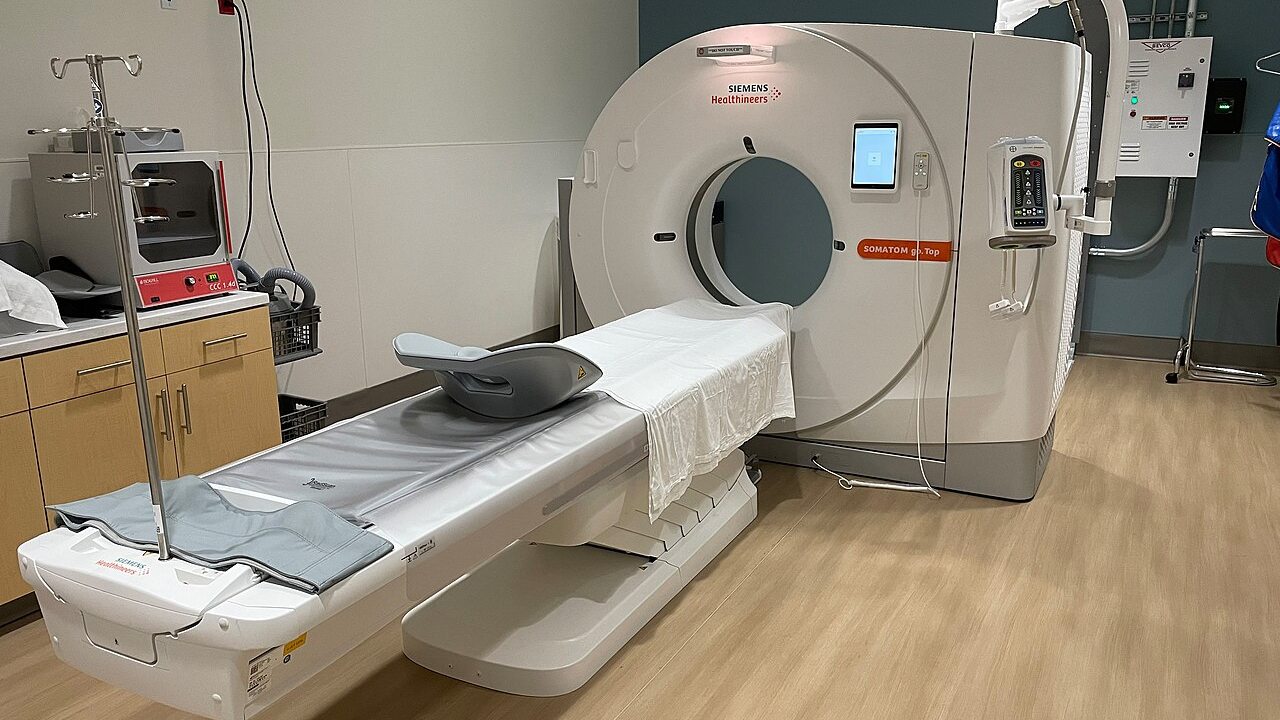
- What is this scan intended to assess?
- When should I expect the result?
- Who should I contact if the result appointment is delayed?
- Which symptoms should I report now rather than waiting?
- Can someone attend the results appointment with me?
The aim is not to remove every anxious thought. It is to make the waiting period more manageable and to ensure that you know what will happen next. The articles on follow-up after cancer treatment and making room for everyday life between scans look at the wider follow-up pathway.