How do doctors know that treatment is no longer helping?
The team may find evidence from:
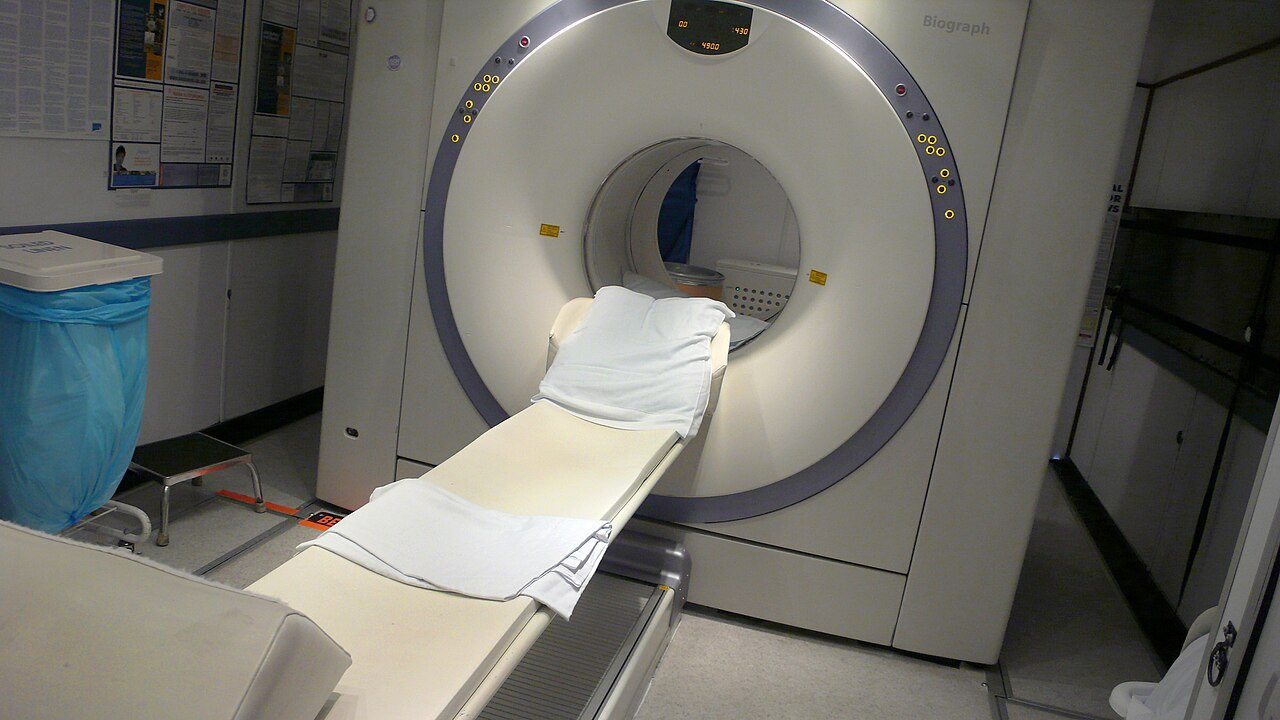
- scans showing growth or new areas of cancer;
- worsening cancer-related symptoms;
- examination findings;
- blood tests or tumour markers where these are reliable;
- a decline in function that is mainly due to the cancer.
One small change does not always settle the question. Scan measurements have limits, symptoms can have several causes, and some treatments produce unusual imaging patterns. The team interprets the overall picture, as explained in How do doctors know if cancer treatment is working?.
Why might the current treatment be stopped?
Continuing a treatment that is not controlling the cancer can still cause side effects, hospital visits and recovery time. It may also delay another approach that has a better chance of helping.
The treatment may be stopped, changed or paused when the expected benefit no longer justifies its burden. This is a clinical decision that should include a clear explanation of the evidence and the person's priorities.
Could another anti-cancer treatment help?
Possibilities may include:
- a different drug or combination;
- radiotherapy or a procedure for a particular area;
- surgery in a small number of selected situations;
- a treatment guided by a molecular or biomarker result;
- a clinical trial.
Whether these are realistic depends on the cancer type, treatments already received, organ function, performance status and the strength of evidence. A theoretical option is not always an option likely to provide worthwhile benefit.
Clinical trials may offer access to an investigational approach, but each trial has eligibility criteria and uncertainty. Joining a trial is not the same as receiving a treatment already known to work.
What if further anti-cancer treatment is unlikely to help?
Care continues. The focus may move towards controlling symptoms, maintaining function, planning support at home, and reducing avoidable hospital visits.
Specialist palliative care can help with pain, nausea, breathlessness, fatigue, emotional distress and communication about priorities. It can be involved alongside anti-cancer treatment or when no further cancer-directed treatment is planned. This is not the same as saying that death is necessarily imminent.
The distinction between palliative anti-cancer treatment, supportive care and end-of-life care is important.
Expected benefit and burden both matter
A later-line treatment may have a smaller chance of benefit or a shorter expected benefit than an earlier treatment. Side effects may also be harder to recover from. For some people, trying another treatment fits their priorities. For others, time away from hospital and better symptom control matter more.
There is no morally correct choice that applies to everyone. The discussion should be honest about what is known, what is uncertain and what each option may involve.
Questions to ask
- What evidence shows that the current treatment is no longer helping?
- Is the change definite, or does it need confirmation?
- What other anti-cancer treatments are realistic, and what is each trying to achieve?
- Is there a relevant clinical trial?
- What are the likely benefits, side effects and time commitments?
- How can symptoms and support be improved now?
When one treatment stops working, the plan changes. That may involve another cancer treatment, a more focused intervention, greater emphasis on supportive care, or a combination of these.