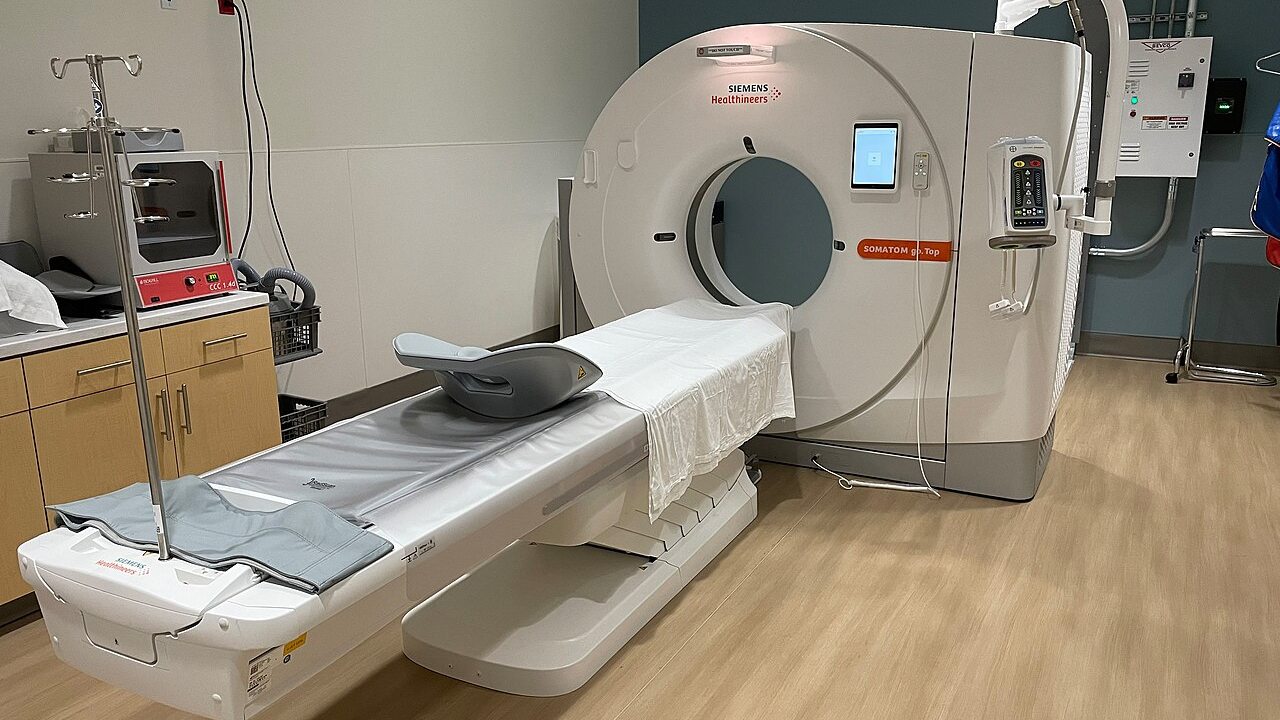
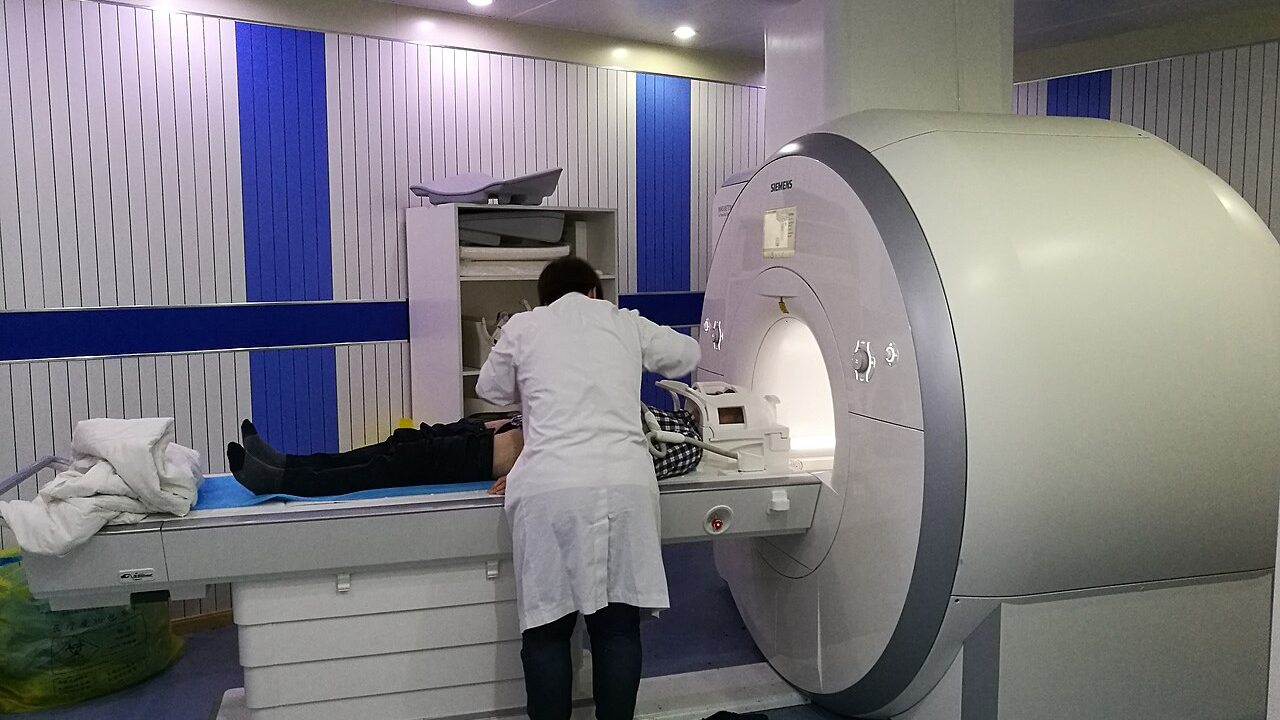
What is follow-up for?
Follow-up can help to:
- look for recurrence when finding it earlier could change treatment;
- monitor a cancer that remains present but is not currently being treated;
- identify late or ongoing effects of treatment;
- manage symptoms and recovery;
- support physical and emotional health;
- review medicines or preventive treatment.
These aims are not the same for everyone. A person treated with curative intent may have surveillance for recurrence, while someone living with an indolent cancer may have monitoring to identify a meaningful change.
Why do some people have routine scans and others do not?
Routine imaging is useful when there is evidence that scanning at planned intervals is likely to identify a change at a time when action would help.
For some cancers, research supports a defined scan schedule. For others, recurrence is more effectively detected through symptoms, examination, a tumour marker or a specific test. In some situations, finding recurrence on a scan before symptoms appear has not been shown to improve outcomes.
This is why two people who have finished treatment can receive very different follow-up plans without either plan being careless.
What determines the follow-up schedule?
The team may consider:
- cancer type, stage, grade and biological features;
- the estimated risk and usual timing of recurrence;
- the treatment given;
- which recurrence treatments would be possible;
- the benefits and limitations of available tests;
- late effects that need monitoring;
- other health conditions and personal circumstances.
Schedules can change as more time passes. Follow-up may be closer in the period when recurrence or treatment effects are more likely, then become less frequent.
Why is more frequent scanning not automatically better?
A scan should answer a useful clinical question. Very frequent imaging can expose a person to additional radiation from CT or PET-CT, create false alarms and lead to further tests for findings that are not cancer. It can also increase anxiety without changing the plan.
Scanning too soon after treatment can be difficult to interpret because inflammation and healing may resemble disease. The article Why are cancer scans not done more often? discusses these issues in more detail.
What happens at a follow-up review?
The clinician may ask about new symptoms, recovery and the impact of treatment. Examination and tests depend on the cancer and the purpose of the visit. It is also an opportunity to discuss late effects, work, activity, emotional wellbeing and practical support.
Some follow-up is led by a specialist nurse, shared with a GP, conducted by telephone, or organised as patient-initiated follow-up. Patient-initiated follow-up does not mean that support has ended; it means the person is given information about when and how to contact the service.
Do not wait for the next appointment with a concerning symptom
The team should explain which symptoms to report and who to contact. A new symptom does not necessarily mean recurrence, but it may need assessment before the next planned review.
Seek urgent medical advice for an emergency rather than waiting for the cancer clinic.
Coping with surveillance
Follow-up can be reassuring and also stressful. Worry may increase before a scan or appointment. The articles on scanxiety and living between scans offer practical ways to manage that period.
Questions to ask
- What is my follow-up intended to monitor?
- Will I have routine scans, and what evidence supports that schedule?
- Which late effects are relevant to my treatment?
- Which symptoms should I report without waiting?
- Who should I contact between appointments?
- When might follow-up become less frequent or move to another service?
Before leaving an appointment, check what happens next, which changes to report and how to contact the team between reviews.