What does resectable or operable mean?
Resectable means that the specialist team believes the cancer can be removed surgically with an acceptable chance of clear margins. The word operable is often used in the same broad sense.
The assessment includes more than whether a mass is visible in the pancreas. The team considers:
- whether there is evidence of spread to distant organs;
- the relationship between the tumour and major nearby arteries and veins;
- whether the operation can remove the tumour safely;
- general health and fitness for major surgery.
Even after careful scans, an operation can occasionally reveal disease or anatomy that makes removal unsafe or unlikely to help.
What does borderline resectable mean?
Borderline resectable means that removing the cancer may be possible, but there is a significant concern about achieving a complete resection. This often relates to contact with important blood vessels near the pancreas.
Venous and arterial involvement are not equivalent, and the exact vessel, degree of contact and possibility of reconstruction matter. Different expert groups also use definitions that are similar but not identical.
Treatment before a possible operation may be considered. This can treat disease beyond what scans can see, show how the cancer behaves and sometimes improve the prospect of surgery. The appropriate approach depends on current evidence, local pathways and individual circumstances.
What does locally advanced mean?
Locally advanced pancreatic cancer has not spread to distant organs but involves nearby structures, often major blood vessels, in a way that usually prevents complete surgical removal at diagnosis.
This is different from metastatic pancreatic cancer, which has spread to another part of the body. The distinction affects treatment options and the aim of treatment.
Systemic treatment is commonly considered for locally advanced disease when the person is well enough. In selected cases, radiotherapy or chemoradiotherapy may also have a role. A small proportion of tumours may become suitable for surgery after treatment, but this cannot be predicted reliably for an individual at the outset.
Why do blood vessels matter so much?
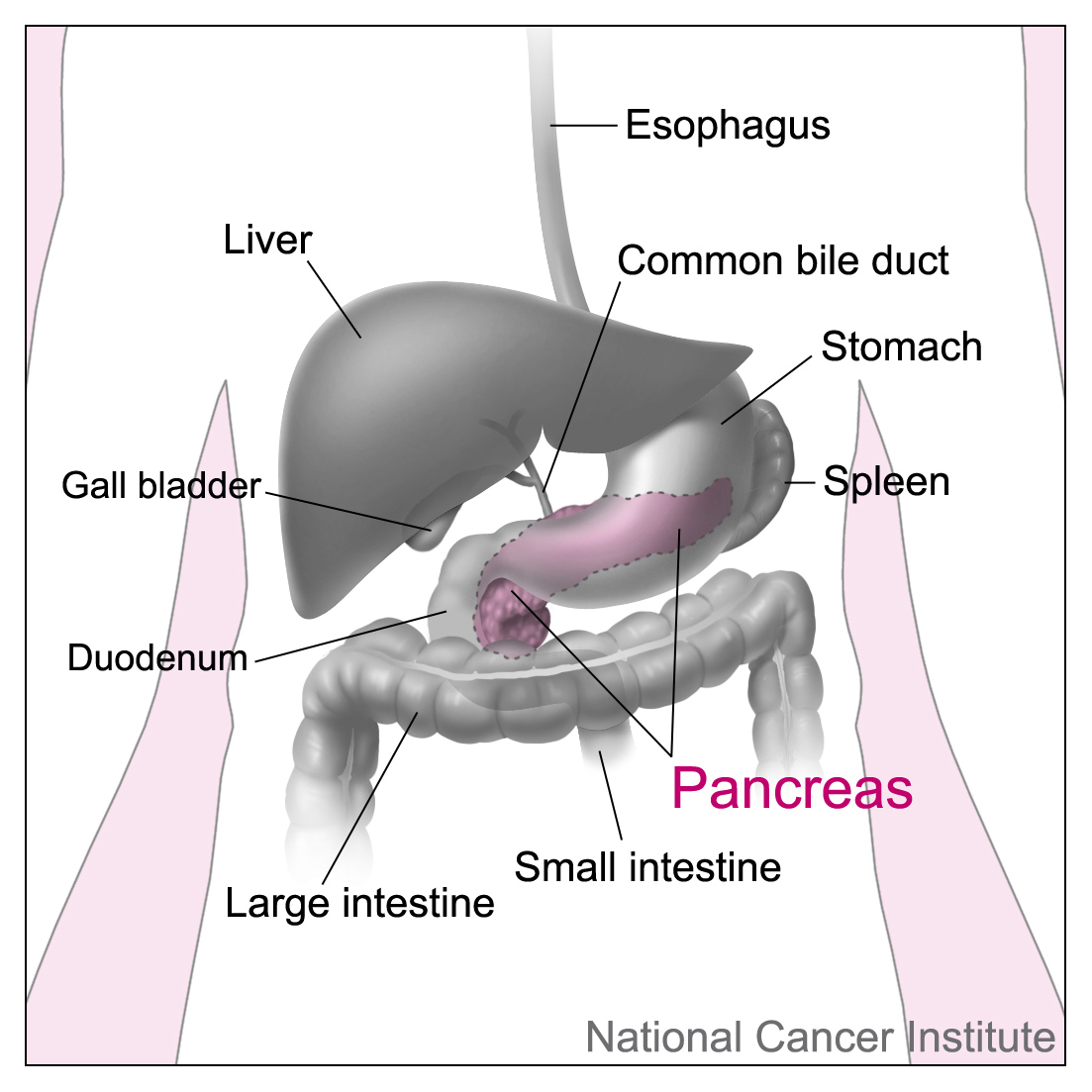
The pancreas lies close to vessels that supply the liver and bowel and drain blood from the intestine. A tumour can touch, narrow or grow around these vessels.
Some involved veins can be removed and reconstructed during pancreatic surgery in specialist centres. Extensive involvement of certain arteries may make a complete and safe resection much less likely. The wording on a radiology report needs to be interpreted with the actual images and surgical expertise.
Why is specialist MDT review important?
A pancreatic cancer MDT brings together pancreatic surgeons, radiologists, pathologists, oncologists, specialist nurses and other professionals. They review the diagnosis, staging images, anatomy, health and treatment options.
The MDT may recommend additional imaging, a biopsy, treatment before surgery, immediate surgery, non-surgical treatment or review at a specialist centre. You can read more about what happens at a cancer MDT meeting.
Resectability is not the same as stage
Stage describes the extent of cancer. Resectability asks a more specific practical question about whether surgery can remove it. Two tumours with a similar stage may have different relationships to critical vessels.
The terms also describe the current assessment. They may be reconsidered after treatment or new imaging, although a change is not guaranteed.
Questions to ask
- Has my case been reviewed by a specialist pancreatic cancer MDT?
- Which scan findings determine the resectability category?
- Is a major artery or vein involved, and what does that mean?
- Is treatment recommended before a possible operation?
- When and how will resectability be reassessed?
- Would review at another specialist pancreatic centre add useful information?
Do not use an online diagram or a report phrase to decide whether a pancreatic cancer is operable. That assessment belongs with a specialist team that can review the full imaging and clinical situation.