What happens after a cancer diagnosis?
Why more tests may be needed after diagnosis, how a treatment plan is discussed and what to ask at the next appointment.
Explore a topic
A practical route through stage, grade, prognosis, performance status, MDT discussion and the factors that shape a treatment recommendation.
A cancer diagnosis is rarely described by one word. The type of cancer, its stage and grade, test results, general health and personal priorities can all affect the plan.
These articles explain the terms used in appointments and show how clinical recommendations are formed without trying to predict an individual treatment decision.
Why more tests may be needed after diagnosis, how a treatment plan is discussed and what to ask at the next appointment.
How a tissue sample helps identify cancer, why scans may not answer the same question and what to check before and after a biopsy.
A plain-language guide to cancer type, grade, margins, lymph nodes and biomarkers, and why a pathology report needs clinical interpretation.
A clear explanation of what cancer stage and grade describe, why the systems vary, and why grade 4 does not automatically mean stage 4.
What these terms say about cancer spread, why nearby lymph nodes differ from distant spread and why extent alone does not decide treatment.
What a cancer prognosis can and cannot tell you, how population statistics differ from an individual outcome, and why estimates may change.
What ECOG or WHO performance status means, how the 0–4 scale describes daily function, and why it is only one part of a cancer treatment decision.
How a UK cancer multidisciplinary team reviews results, who may take part, and what happens before a treatment decision is agreed with the patient.
How cancer type, stage, grade, biomarkers, previous treatment, health, treatment aim and patient priorities shape an individual plan.
Why consent is a discussion rather than just a signature, what should be explained and what to do if a treatment decision is unclear.
What a second opinion can clarify, how to request one in the UK and why treatment timing and transfer of records need discussion.
How common cancer drug treatments work, why the treatment name does not tell you its aim and why side effects differ.
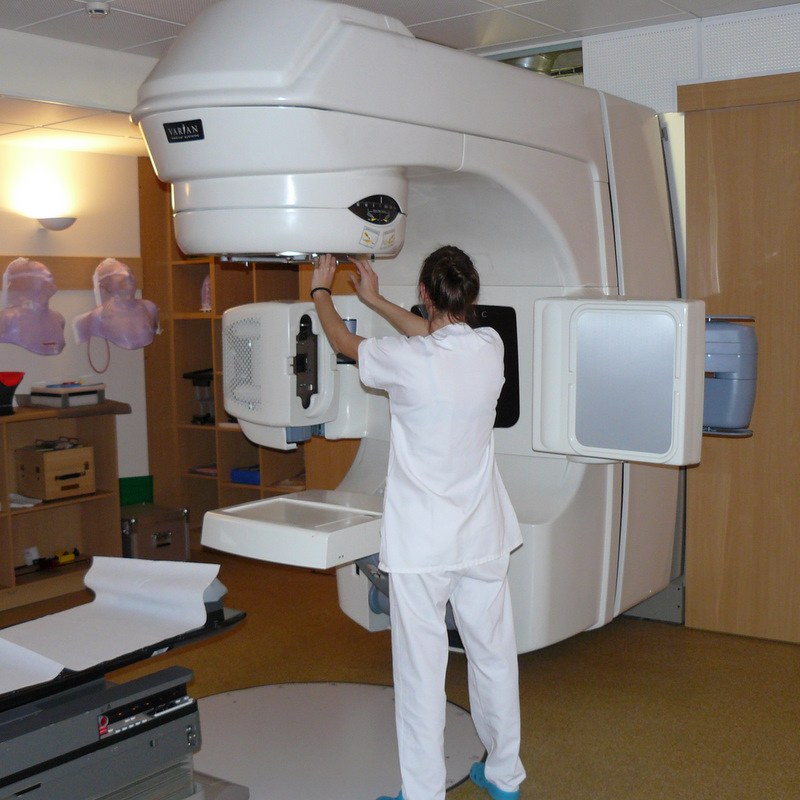
How radiotherapy damages cancer cells, why treatment is carefully planned and image guided, and why dose and number of visits differ between patients.
What a clinical trial can offer, what remains uncertain, how eligibility works and which questions to ask before deciding.
Why blood results, side effects and other changes can alter a treatment schedule, and what to ask when a planned appointment changes.
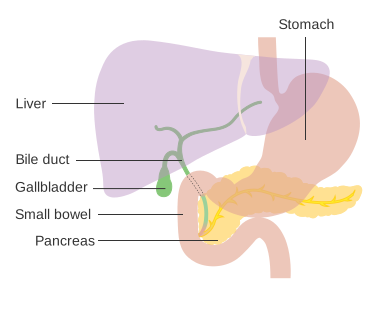
Why cancer starting in the liver differs from cancer spreading there, and how tumour type, extent and liver function shape the treatment discussion.
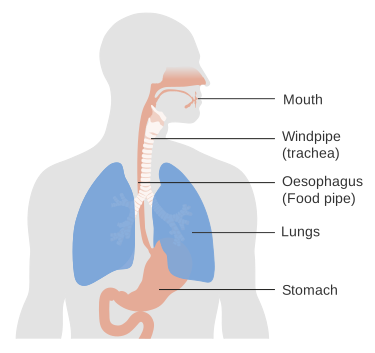
An introduction to cancer of the food pipe, the information used to plan treatment and why swallowing and nutrition need attention.
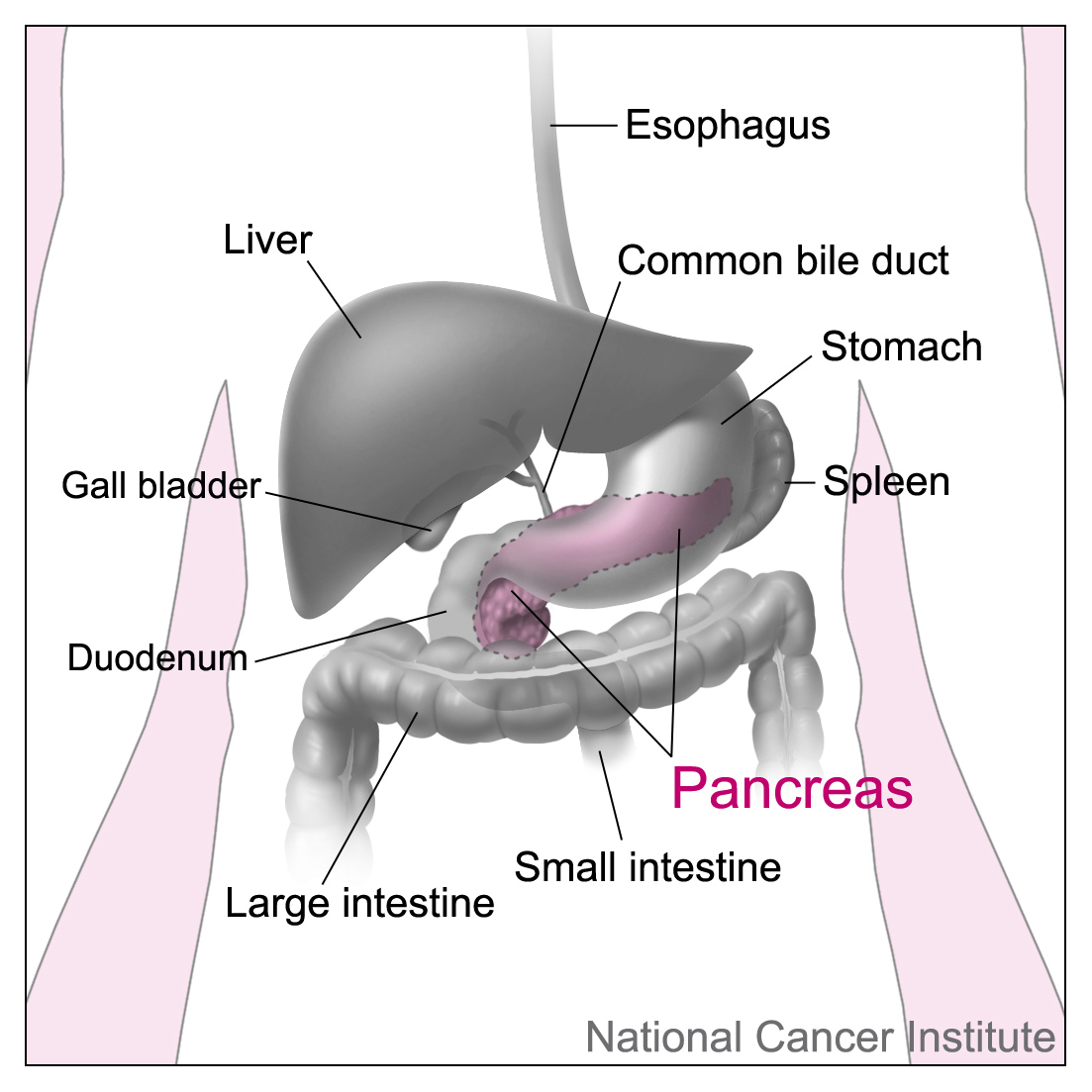
What pancreatic cancer resectability terms broadly mean, why nearby blood vessels matter, and why specialist MDT assessment is essential.
An introduction to neuroendocrine tumours, where they arise, how NETs differ from neuroendocrine carcinomas and why the primary site and grade matter.
How differentiation, grade, Ki-67 and stage describe different features of a neuroendocrine tumour, and why the primary site matters.
These articles provide general information. Your clinical team can explain what applies to your own situation.