Tell the team what has changed
Explain whether you are eating less, avoiding foods because they hurt, feeling full quickly, vomiting or having bowel problems. Mention weight changes and whether you can manage drinks.
A symptom may need treatment before advice about food is useful. For example, nausea or mouth pain can make an otherwise reasonable meal impossible to eat.
Ask for dietetic assessment if eating difficulties or unintentional weight loss are continuing. Poor intake can lead to malnutrition even in someone who is not underweight. A dietitian can assess your treatment, symptoms, weight pattern and other conditions; do not wait for substantial weight loss before asking for help.

When eating enough is the priority
If you are losing weight or struggling to eat, the immediate goal may be maintaining nutrition rather than following a weight-loss diet or a restrictive version of healthy eating.
Smaller amounts more often, or food at a temperature or texture you tolerate, may be easier. The right approach varies. Advice suitable for someone with a sore mouth may not suit someone with a bowel obstruction risk or changes after surgery.
The team may recommend nutritional supplement drinks or, when necessary, other feeding support. The choice depends on nutritional needs and whether swallowing and digestion are safe. These are assessed treatments, not a reason to buy supplements or start a feeding plan yourself.
Do I need a special cancer diet?
There is no single diet appropriate for every person with cancer. A diet or supplement is not a substitute for effective cancer treatment.
Tell the team about supplements, herbal preparations and major dietary changes. They may interact with medicines or create problems if they replace necessary nutrition.
If treatment affects immunity, follow the service's food-safety instructions. Do not import a long list of banned foods from another person's treatment.
What if swallowing is difficult?
Report new or worsening swallowing problems promptly. Texture changes may help some people, but choking, coughing with drinks or difficulty maintaining intake needs assessment and appropriate swallowing or dietetic support.
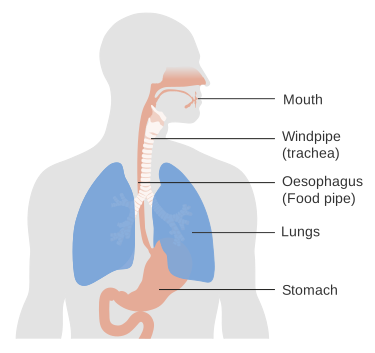
Do not force yourself to swallow food that repeatedly sticks. The oesophageal-cancer article explains why eating support can be part of specialist care.
When to seek urgent advice
Contact your cancer team's urgent advice line immediately if you cannot keep fluids down, are passing much less urine, feel persistently dizzy, or have severe abdominal pain or rapidly worsening symptoms. Follow your own treatment instructions. Urgent-contact advice explains fallback routes if the team cannot be reached.
If you cannot swallow liquids or your own saliva, seek emergency assessment now, through the team's hospital pathway or A&E without delay. Do not force food or drink down. Call 999 for severe choking, breathing difficulty, collapse, or if an ambulance is needed to reach care safely.
For ordinary meals, start with what you can tolerate and what your team recommends. Keep a short record of symptoms and weight changes if useful; it can make the next discussion more specific.
Sources
- Eating problems and cancer — Macmillan Cancer Support
- Help if you have lost weight — Macmillan Cancer Support
- Diet problems with cancer — Cancer Research UK
- Diet and food supplements — Macmillan Cancer Support
- Dehydration — NHS
- Dysphagia: emergency referral for complete obstruction — NHS Scotland Right Decisions