It is reasonable to plan ahead
Some people avoid booking a holiday, celebration or ordinary day out because treatment or scan results may change. Sometimes there are practical reasons to wait. At other times, a flexible plan can be better than putting everything on hold.
Ask your team which dates are fixed, which are likely, and how much flexibility exists. Travel insurance, medication supplies and access to care may need thought, but they do not automatically rule out making plans.
Focus on the period you can see
Long-term uncertainty can feel unmanageable. A shorter horizon may help. This might mean planning the next week or month, keeping one enjoyable commitment in the diary, or choosing a small goal that is not related to cancer.
The goal does not have to be ambitious. Rest, family time, work, exercise, hobbies and ordinary routines can all matter.
Do not measure every day by productivity
Treatment and symptoms can reduce energy. A good day is not defined by how much you achieve. It may be a day when symptoms are controlled, you eat something you enjoy, or you spend time with someone important.
It is also normal to have days when cancer occupies more mental space. That does not undo the days when it occupies less.
Make a plan for uncertainty
Practical questions can reduce some avoidable worry:
- Who should I contact if symptoms change?
- Which symptoms need urgent attention?
- When and how will I receive scan results?
- Can appointments be adjusted around an important event?
- Where can I get emotional or practical support?
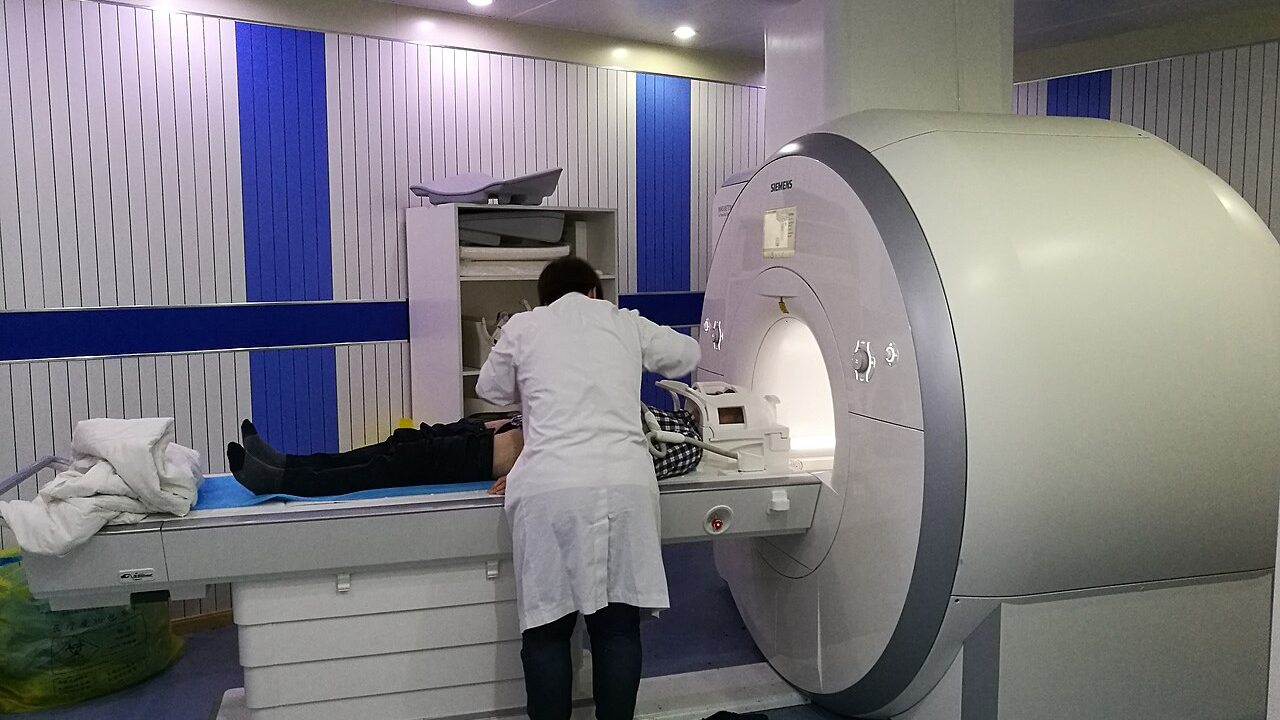
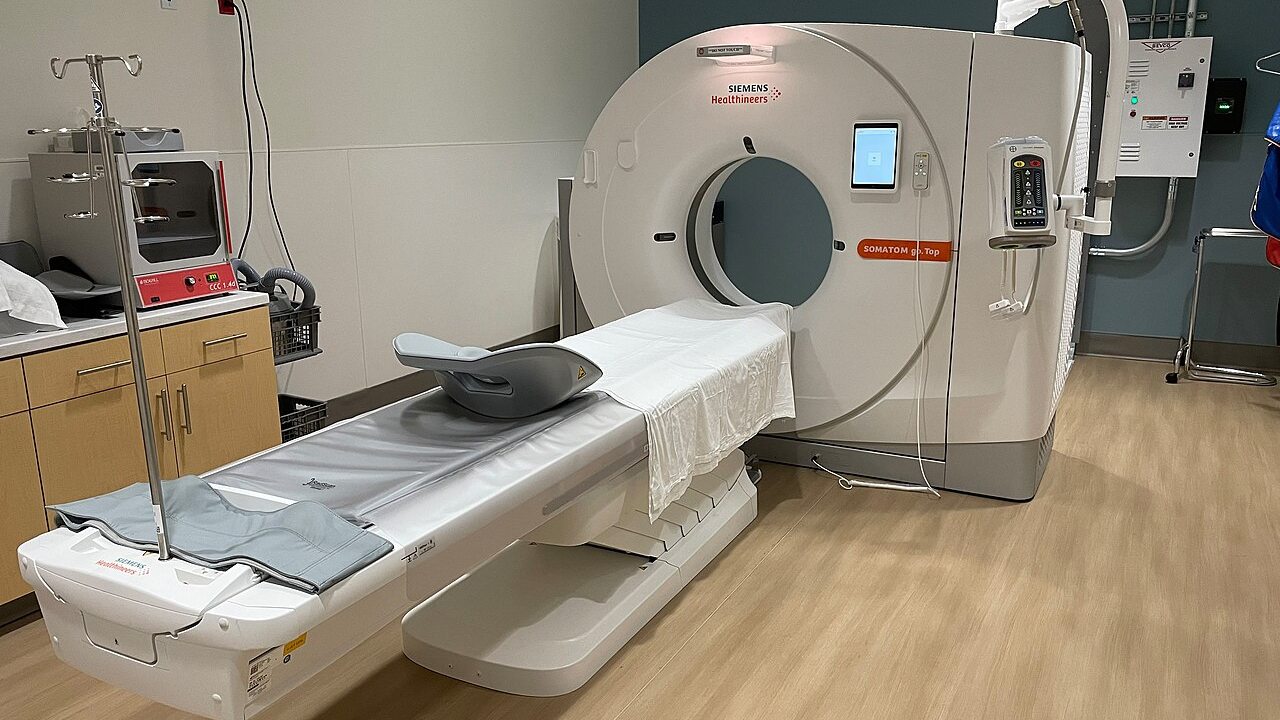
Knowing the route for help can make it easier to direct attention elsewhere. It can also help to know why scans are scheduled at particular intervals and what information the team will use to assess whether treatment is working.
When worry is affecting daily life
Tell your team if uncertainty is causing persistent sleep problems, panic, low mood, withdrawal from other people, or difficulty managing daily tasks. Psychological support, counselling, support groups, medication or specialist palliative care may help, depending on your needs and local services.
If you feel unsafe or unable to cope, seek urgent help through an appropriate local crisis or emergency service.
You may not be able to put the uncertainty aside completely. But you can still make plans between appointments, even if those plans sometimes need to change.