What is radiotherapy and how does it work?
How radiotherapy damages cancer cells, why treatment is carefully planned and image guided, and why dose and number of visits differ between patients.
Explore a topic
A guide to what radiotherapy is, how it is planned and how specialist techniques make treatment precise.
Radiotherapy is not one fixed treatment. The dose, number of visits, imaging and way movement is managed are chosen for the cancer, treatment aim and nearby normal tissues.
Start with the overview, then use the planning and specialist explanations for the questions most relevant to you.
Start hereWhat radiotherapy is and how it works
Explore how radiotherapy works in an interactive explanation
An introduction to radiotherapy and the preparation that happens before treatment begins.
How radiotherapy damages cancer cells, why treatment is carefully planned and image guided, and why dose and number of visits differ between patients.
What to expect from radiotherapy consent, the planning CT, positioning and the clinical and technical checks before the first treatment.
What to expect after a course of radiotherapy, why some side effects peak later, how follow-up works and when to contact the treatment team.
Why radiotherapy effects depend on the area treated, which symptoms may develop and how to report problems without assuming everyone has the same experience.
How teams manage movement, deliver SABR and use MRI-guided adaptive treatment in selected situations.
How radiotherapy teams assess tumour movement and use imaging, breath-hold, gating, tracking or treatment margins to target it accurately.
How stereotactic ablative radiotherapy delivers a precise course in fewer treatments, when it may be considered, and why it is not suitable for everyone.
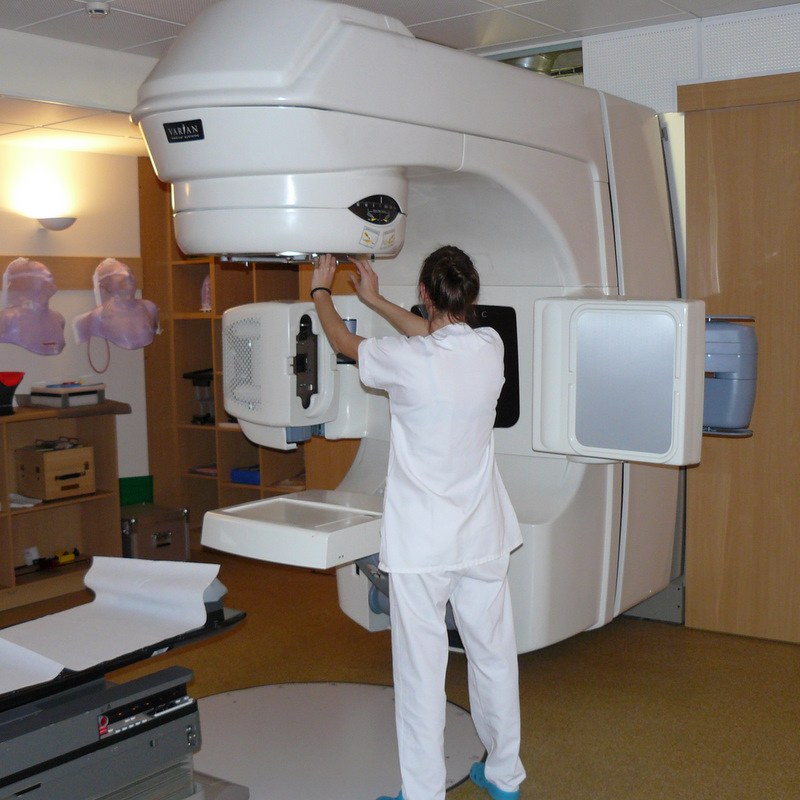
How an MR-Linac combines MRI with radiotherapy, how online adaptation works, and why MR-guided treatment is useful only in selected situations.
These articles provide general information. Your clinical team can explain what applies to your own situation.